Environmental and Sustainability Compilance Checklist

Electric Vehicle & Charging Station Industry

Critical - Waste Management
Solid waste is segregated at source into biodegradable, non-biodegradable, and hazardous waste.
E-waste (PCB, cables, circuits, batteries) is disposed of through authorized recyclers only.
Waste storage areas are covered, labeled, and maintained in clean condition.
Hazardous waste containers are leak-proof and properly labeled with hazard class.
Used lubricants, oil filters, and hydraulic fluids are collected in sealed drums.
Metal scrap and recyclable items are handled separately and sold to registered recyclers.
No open burning or uncontrolled disposal of waste is practiced.
Battery waste is stored safely and disposed through CPCB-authorized recyclers.
Sludge from wastewater treatment is dried and handled safely.
Documentation & Reporting - Compliance Records
Environmental monitoring reports are submitted to authorities on schedule.
Annual Sustainability Report includes carbon footprint, waste, and energy data.
Energy Efficiency - Operations
Energy consumption per charger/EV production unit is monitored.
All lighting and HVAC systems use energy-efficient technologies (LED, inverter-based).
Motion sensors or timers are installed in low-occupancy areas.
Energy audits are conducted annually by accredited auditors.
Power factor correction and demand monitoring systems are operational.
Maintenance - Pollution Control & Monitoring
Air quality (PM10, PM2.5, CO, NOx) is monitored at prescribed intervals.
Noise levels are within statutory limits (below 75 dB daytime, 70 dB nighttime).
Stack emissions from DG sets are measured and recorded quarterly.
Oil-water separators are functional and maintained in good condition.
Sewage and wastewater treatment systems are operating effectively.
Water consumption data is monitored daily for conservation tracking.
Renewable Integration - Energy Systems
Solar panels or renewable systems are installed and functional on-site.
Renewable energy share in total consumption is measured and reported.
Power generation and grid export data are recorded daily.
Solar or wind systems are inspected quarterly for performance efficiency.
Battery backup systems from renewable sources are maintained properly.
Resource Conservation - Water & Material
Rainwater harvesting system is installed and functional.
Treated wastewater is reused for gardening or cleaning where feasible.
Use of single-use plastics is banned within premises.
Green belt and plantation areas are maintained properly.
Procurement policy includes eco-friendly materials and packaging.
Super Critical - Legal & Environmental Compliance
All environmental clearances (CPCB, SPCB, MoEFCC) are valid and available on-site.
Environmental management system (EMS) is implemented as per ISO 14001 standards.
All effluents and emissions are within permissible limits set by regulatory bodies.
Consent to Operate (CTO) and Consent to Establish (CTE) are obtained and renewed timely.
Environmental policy and sustainability commitments are displayed prominently.
Training & Awareness - Sustainability Practices
Employees are trained in waste segregation and environmental practices.
Posters and digital boards promote environmental safety and energy saving.
EHS team conducts periodic sustainability audits.

Edit & customize templates as per your needs in simple steps

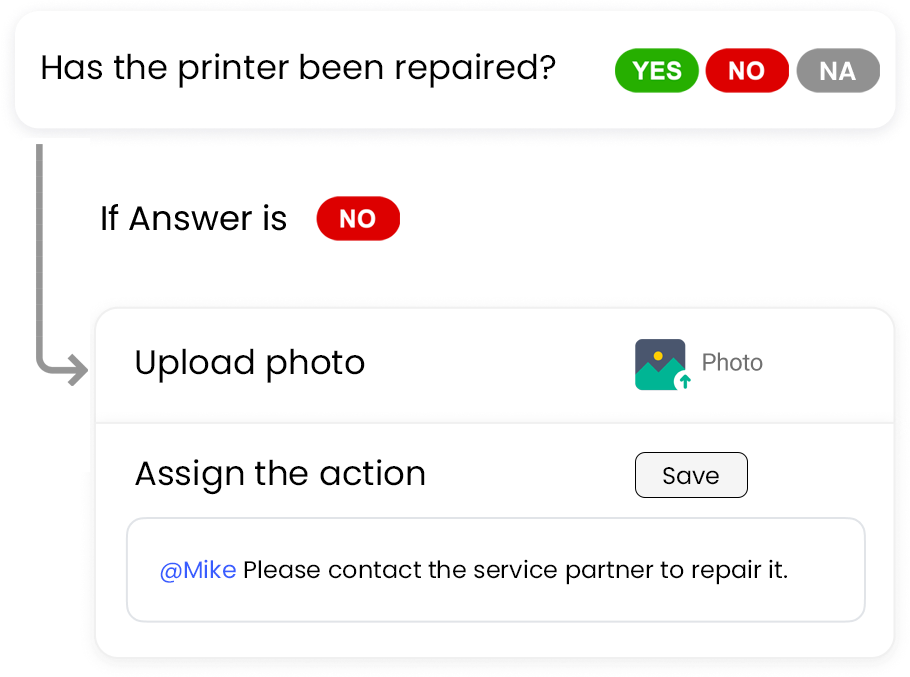
Pulse allows you to edit the checklists from the library to suit your specific needs. With our smart checklist builder and editor, you can infuse logic in your questions for more clarity and better visibility.

SIGN UP TO EDIT TEMPLATES
Digitize your existing templates in simple steps

Pulse helps you convert your existing inspection templates into digital ones. Simply upload them in PDF, Excel and Word format and leave the rest for our support team. We will get back to you with digital forms.