Waste Management & Sustainability Checklist

Cloud Kitchens & Delivery Brands

Behavior & Clean Habits - Receiving
Staff do not consume food or beverages in receiving area.
Documentation & Records - Waste & Sustainability
Waste disposal, UCO, and recycling records maintained for at least 12 months.
Waste and sustainability KPI report submitted monthly to QA or management.
Energy Management
Kitchen uses energy-efficient lighting and appliances.
Refrigeration units switched off during maintenance or downtime.
Air conditioning and exhaust systems serviced to optimize energy use.
Kitchen encourages paperless or digital documentation practices.
Carbon footprint or waste audit conducted annually.
Food Waste Management
Food waste collected separately from packaging and general waste.
Food waste disposed through authorized composting or collection vendor.
No food waste dumped directly into drains or open areas.
Food waste logs maintained daily for quantity and disposal method.
Expired or spoiled food disposed of as per SOP with documentation.
Material Testing & Quality Compliance
Raw materials tested periodically for microbiological and chemical parameters.
Water used in washing and processing tested semi-annually for potability.
Cooking oil tested monthly for total polar compounds (TPC) and color.
Any non-conforming material reported to central procurement within 24 hours.
Food additives and preservatives used only as per FSSAI-approved list.
Receiving & Inspection
All incoming raw materials are received with valid invoices and delivery challans.
Delivery vehicle hygiene is checked before unloading materials.
Temperature of perishable items (milk, meat, paneer, etc.) is checked at receiving.
Incoming raw materials are visually inspected for damage, contamination, or spoilage.
Raw materials are accepted only if within shelf-life.
FIFO/FEFO applied during material transfer to storage.
Rejected materials are segregated and tagged clearly with reason for rejection.
All weighing scales used for receiving are calibrated and verified.
Receiving area is clean, shaded, and away from waste or drainage lines.
Delivery personnel follow hygiene requirements (clean dress, gloves, hairnet).
Section_name
Question_title
Staff Hygiene - Receiving
Receiving staff wear gloves, aprons, and hairnets during inspection.
Storage & Segregation
Raw materials are stored in designated racks or containers.
Separate zones maintained for raw, semi-processed, and ready-to-eat ingredients.
Raw meat, poultry, and dairy stored in separate chillers.
Dry ingredients stored in airtight, food-grade containers with lids.
Opened ingredient packs are resealed and labeled with opening date.
Supplier Approval & Qualification
All active suppliers are approved by QA or central procurement team.
Suppliers provide valid FSSAI license and GST registration.
High-risk suppliers (meat, dairy, seafood) have valid microbiological test reports.
Raw material specifications are defined and shared with all suppliers.
Periodic supplier audits are conducted and documented.
Sustainable Packaging
Only food-grade biodegradable or recyclable packaging materials used.
Plastic packaging avoided wherever alternatives are available.
Secondary packaging (bags, boxes) made from recycled or sustainable material.
Delivery bags and containers reused only if approved and sanitized.
Packaging waste collected and sent for authorized recycling.
Traceability & Recall
Each raw material batch is labeled with date of receipt and batch number.
Material traceability records maintained from receiving to consumption.
Recalled or withdrawn batches are quarantined immediately.
Stock rotation verified daily for perishable categories.
Supplier lot numbers are mentioned on all repackaged materials.
Training & Awareness - Waste & Sustainability
Staff trained on waste segregation and disposal procedures.
Posters and color-code charts displayed near waste areas.
Staff aware of FSSAI and Pollution Board waste management guidelines.
Training & Documentation - Receiving
Receiving team trained on raw material acceptance criteria.
All receiving and inspection records are updated daily.
Vendor certificates, COAs, and audit reports are filed systematically.
Internal supplier review summary submitted to QA head quarterly.
UCO Handling & Disposal
Used cooking oil (UCO) collected in labeled containers.
Used cooking oil disposed through FSSAI-registered collection agency.
Grease traps cleaned as per schedule and free from blockages.
UCO logs maintained with quantity, date, and vendor signature.
No oil or grease discharged into drainage lines.
Vendor Communication & CAPA
Suppliers informed immediately about any non-compliance observed.
Regular feedback shared with vendors on delivery quality and consistency.
Material substitution or alternate vendor approval requires QA authorization.
All supplier performance scores maintained and reviewed quarterly.
Waste Segregation & Disposal
Wet and dry waste are segregated using color-coded bins.
Waste bins in all kitchen areas have lids and foot pedals.
Waste bins are lined with disposable garbage bags.
Waste is removed from kitchen areas at least twice per shift.
Waste disposal records maintained for all categories of waste.
Waste Storage Area
Waste storage area is clean, covered, and away from kitchen operations.
Waste area floors washable and cleaned daily.
Pest control maintained around waste storage area.
Waste bins washed and sanitized at the end of each day.
No litter, liquid waste, or foul odor observed near collection points.
Water Management
Water usage monitored daily and recorded in log sheet.
Leaking taps or pipes repaired immediately upon detection.
RO reject or rinse water reused for cleaning or gardening.
Effluent or wastewater disposed through approved drain or treatment system.
Kitchen staff trained on water-saving practices.

Edit & customize templates as per your needs in simple steps

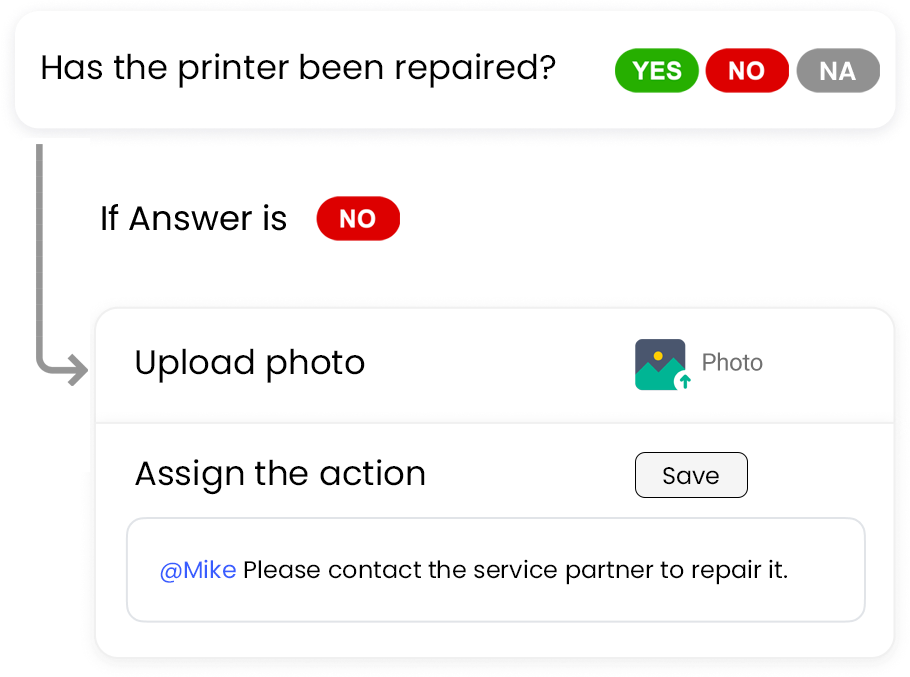
Pulse allows you to edit the checklists from the library to suit your specific needs. With our smart checklist builder and editor, you can infuse logic in your questions for more clarity and better visibility.

SIGN UP TO EDIT TEMPLATES
Digitize your existing templates in simple steps

Pulse helps you convert your existing inspection templates into digital ones. Simply upload them in PDF, Excel and Word format and leave the rest for our support team. We will get back to you with digital forms.