Food Safety & Hygiene Checklist

Hospitality

Cold Storage & Transport
Temperature gauges on refrigerators/freezers functional and accurate
Products stored at least 6 inches above ground in walk-in chillers/freezers
Chillers and freezer interiors clean, door seals intact
All stored items wrapped, labelled with production/use-by dates
Stock rotation (FIFO/FEFO) enforced; expired items not present
Ambient temperature checks performed on all cold storage units
Thawing done safely; no previously thawed products re-stored
Delivery vehicles clean, well-maintained, and hold correct transport temperatures (hot ≥65°C, cold ≤5°C, frozen ≤-18°C)
Tableware and service cutlery sanitized before use
When transporting food with non-food items, adequate separation maintained
Color-coded chopping boards in place and used properly
All packaging/wrapping in contact with food is food-grade and uncontaminated
Compliance & Certification
Annual health checks and required vaccinations documented for all food handlers
Valid food safety license (FSSAI or equivalent) displayed on premises
Updated Fire NOC obtained and posted in visible area
Health license current and displayed in kitchen area
Potable water used for all food contact; tested bi-annually with records
Raw materials tested internally or by accredited labs; records maintained
Dry Storage & Supply Management
Non-food items securely stored away from food supplies
First-In-First-Out inventory practice implemented consistently
Food stored on racks at least 6 inches off the floor
Storage area secured to prevent unauthorized access/tampering
Supplier credentials verified and compliance documented
All incoming supplies inspected for packaging integrity, temperature, and quality
Fire Safety & Emergency
Fire extinguishers, exit signage, and evacuation plan available
Kitchen equipped with K-type cylinders, fire blankets, and sand buckets
Emergency exit routes unobstructed, evacuation plan displayed
Food Handling & Preparation
Kitchen staff and supervisors use calibrated thermometers and sanitize them correctly
Utensils, equipment, and food-contact surfaces cleaned, rinsed, and sanitized after each use
Frozen items thawed under safe conditions (refrigeration, microwave, or cooked directly) and never refrozen
Tasting of food done using hygienic sampling methods
Cross-contamination risks prevented through proper procedures and practices
Foods cooked to safe internal temperature (≥75°C for min 15 sec)
Internal cooking temperatures recorded and verified
Hot foods held ≥65°C, animal products ≥70°C; cold foods ≤5°C; frozen foods ≤-18°C
Reheating procedures ensure food reaches ≥75°C for at least 2 minutes; no indirect reheating used
Food wastage documented with reasons as per SOP
Pest Management
External doors sealed, fitted with screens or PVC curtains
No evidence of pest infestation or activity
Regular pest control carried out by certified provider with records maintained
Material Safety Data Sheets (MSDS) available for all pest control chemicals
Certificates of training available for pest control personnel
Staff Hygiene & Conduct
Uniforms and footwear are neat, clean, and suitable for food handling
Hairnets, caps, or other protective headgear worn correctly by all kitchen staff
Fingernails trimmed, free of polish, artificial nails or dirt
Jewelry restricted only to a plain band/ring; no other adornments visible
Employees wash hands thoroughly and at all required intervals
Cuts, wounds, or abrasions are fully covered with waterproof dressings
Staff use tissues or elbow when sneezing/coughing and sanitize hands immediately
Handwash sinks accessible, clean, sensor/pedal operated with soap, towels or dryer, sanitizer available
Hand hygiene instruction posters placed near sinks
No chewing gum, smoking, or use of tobacco inside or around kitchen premises
Training & Records
System audits (internal/external) conducted periodically; records available
Consumer complaints tracked and addressed through a formal mechanism
All food handlers trained in safe food handling practices; training logs accessible
Warewashing & Utensil Care
Water supply for washing free from grease/food residue
Cross-contamination between soiled and clean utensils prevented
Washing and sanitizing temperatures maintained (wash ~49°C, sanitize 82–89°C or via solution/air dry)
All utensils properly desoiled, rinsed, washed, sanitized, and dried
Cleaning chemicals stored securely, away from food prep/storage
Staff provided with PPE (gloves, goggles, protective shoes)
Waste Management
Kitchen garbage containers cleaned, lined, and kept covered
Waste bins emptied regularly to prevent overflow
Used cooking oil discarded as per environmental guidelines and recorded
Proper segregation of waste (organic, recyclable, hazardous) followed

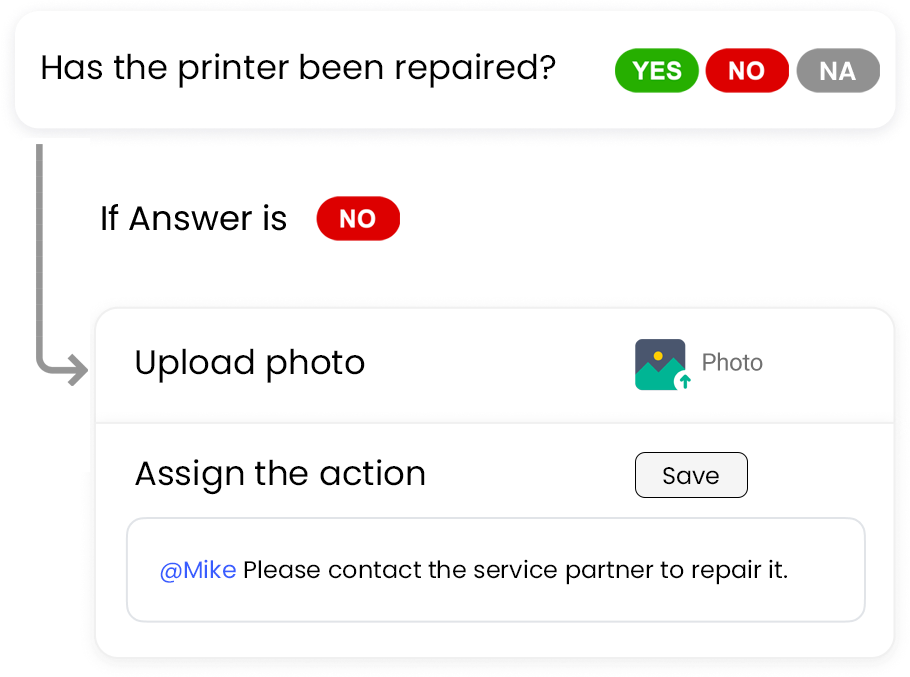
Edit & customize templates as per your needs in simple steps

Pulse allows you to edit the checklists from the library to suit your specific needs. With our smart checklist builder and editor, you can infuse logic in your questions for more clarity and better visibility.

SIGN UP TO EDIT TEMPLATES
Digitize your existing templates in simple steps

Pulse helps you convert your existing inspection templates into digital ones. Simply upload them in PDF, Excel and Word format and leave the rest for our support team. We will get back to you with digital forms.